
Thema Brain Health

Boca Raton, FL · on the FAU campus

Medicare accepted

The Thema Memory Program

A neurologist-led program for memory and brain health. We start by understanding what is actually going on, then build the care around you.

  • A full workup in the first two visits
  • Designed and directed by a neurologist
  • Care that continues between visits, not just during them

When there is a memory or cognitive concern, most of what happens in the Thema Memory Program is covered by Medicare. Our team will walk you through your specific coverage before your visit.

The science

Why acting early matters.

Decades of research have converged on a clear message: what you do early with memory and cognitive changes shapes what happens next.

  • of dementia cases may be preventable or delayable

    Lancet Commission, 2024

  • greater cognitive improvement with multidomain lifestyle intervention

    FINGER Trial, The Lancet, 2015

  • people in the United States with undiagnosed Mild Cognitive Impairment

    AAN

  • silent phase before symptoms appear — your window to act

    Alzheimer's Research Consensus

This information is educational and based on published research. It is not intended as medical advice.

Who this is for

You are in the right place if…

  • You have noticed changes in your own memory or thinking, and you want a clear answer about what is going on.
  • Your parent or spouse has been forgetting things, missing appointments, or losing track of conversations, and you do not know what to do next.
  • You already have a diagnosis and you want better care than you have been getting.

What actually happens

The first two visits.

These two visits are how we figure out what care you need. They are not a verdict. By the end, you and your family will understand what is going on, and we will have a plan you can act on.

Visit one

Visit one

About 60 to 90 minutes

You sit down with our team and tell us what has been happening — in your words, and in your family’s words. We ask about symptoms, timeline, medications, sleep, mood, and family history.

We do a neurological exam and computerized cognitive testing right there in the office.

Before you leave, we order the rest of what we need: a brain MRI, a full lab panel, APOE typing, and blood biomarkers — including p-tau217, one of the newer blood tests that helps us understand what is happening in the brain.

Visit two

Visit two

About 45 to 60 minutes

We review everything together — the cognitive testing, the imaging, the labs, and the biomarkers. Your family is welcome and encouraged to be in the room.

We also look at the things that quietly affect memory: sleep, mood, and diet, plus a full review of every medication you are taking.

You leave with a written plan. If there is nothing to treat, we tell you that. If there is, we start.

What a memory workup can include.

A thorough evaluation draws on any of the following as clinically indicated. Not every patient needs every test — we order what your case calls for.

  • Computerized cognitive testing
  • Brain MRI
  • Full lab panel
  • APOE typing
  • Blood biomarkers, including p-tau217
  • Sleep, mood, and diet screening
  • Full medication review

When there is a memory or cognitive concern, most of this workup is covered by Medicare. Coverage for individual items and for the care coordination between visits varies by plan — call us and we will walk through the specifics.

Most people who come to us with these concerns do not have dementia.

That is worth saying out loud. Many memory changes have other causes — sleep, mood, medications, thyroid, vitamin levels — and many of them are treatable. Finding out is the first step.

Neurologist-led

Neurologist-led, delivered as a team.

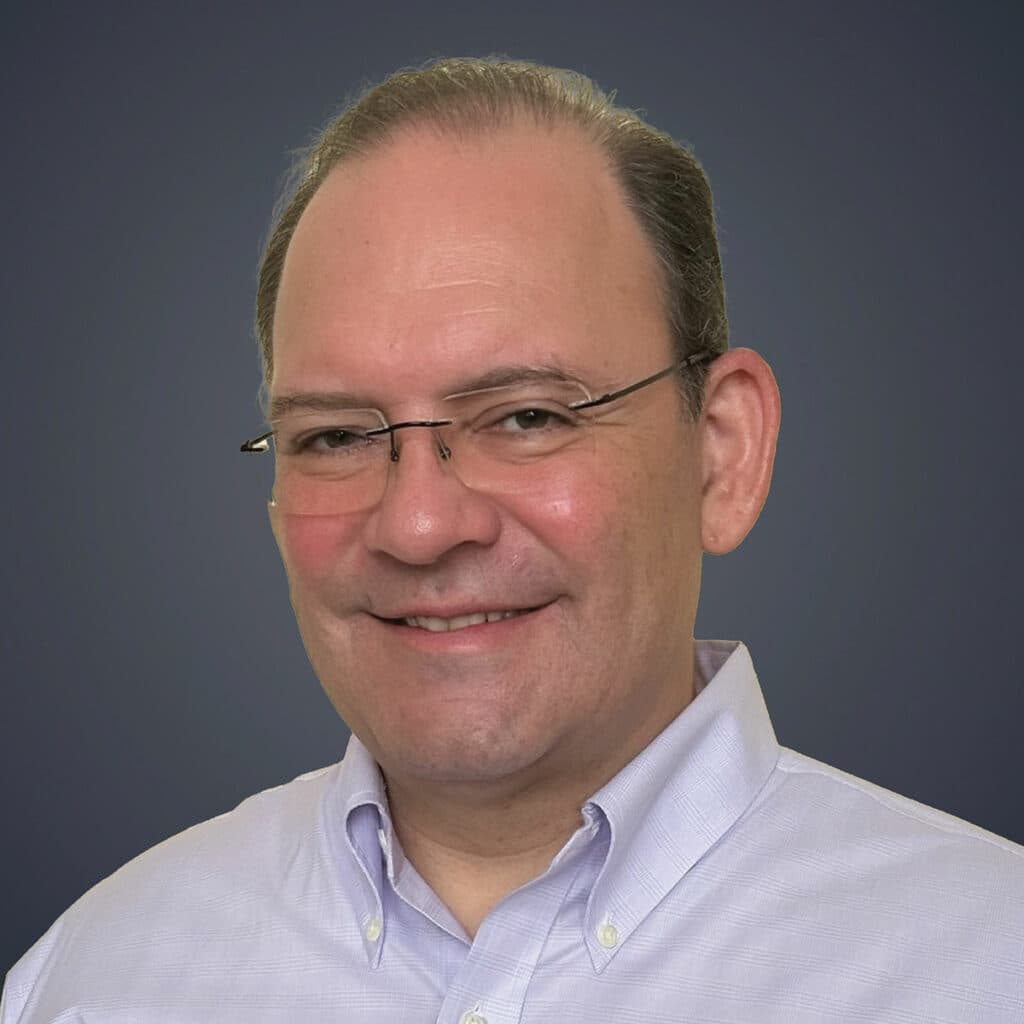
Dr. Lorin Graef leads the Thema Memory Program. He and the clinical team see you together — one plan, one team, one clinic.

Dr. Lorin Graef, MD

Dr. Lorin Graef, MD

Chief Medical Officer · Neurologist

Dr. Graef is a neurologist with over 25 years of experience treating patients. He is a graduate of Brown University and Stanford Medical School and completed his postgraduate medical training at Johns Hopkins University and Harvard University.
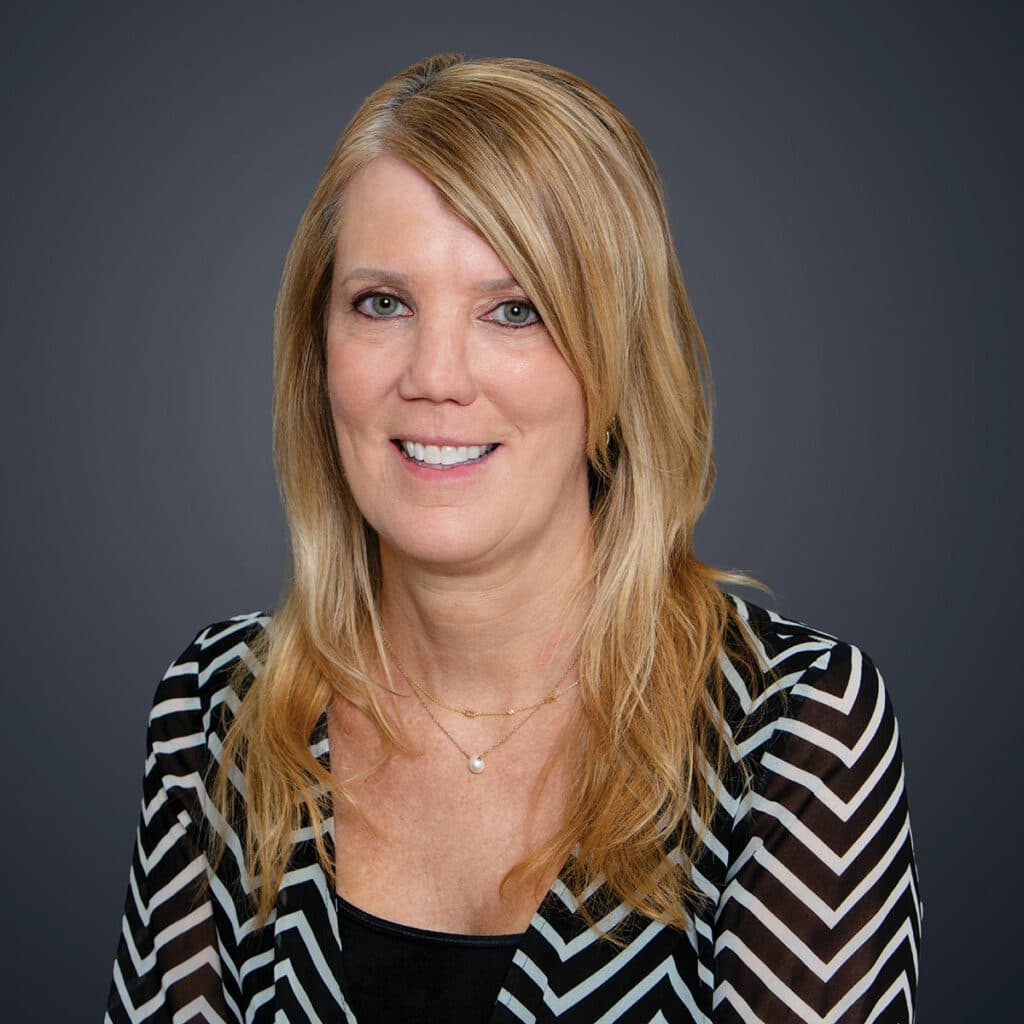

Nicole Hughes, MSN, APRN

Nicole Hughes, MSN, APRN

Nurse Practitioner · Neurology

Nicole Hughes is a Board-Certified Acute Care Nurse Practitioner with a specialization in Neurology. She holds an MSN from Rush University and a BSN from University of Wisconsin. Her entire advanced practice career has been focused on treating patients with chronic neurological disorders to help them achieve their best quality of life.

Reginee Bromson, MSN, APRN, FNP-BC

Reginee Bromson, MSN, APRN, FNP-BC

Nurse Practitioner · Neurology

Reginee Bromson is a board-certified Advanced Practice Registered Nurse (APRN) specializing in preventive neurology. She earned her MSN from Florida Atlantic University and has spent her career at the intersection of internal medicine and neurology.

Care team

Between-visit support

A member of the care team is your point of contact between visits — for questions, for medication changes, for coordinating with your other doctors.

Ongoing care

Care that continues between visits.

A memory diagnosis, or the question of one, does not end when you walk out the door. We stay with you.

  • Someone checks in

    You hear from us between visits, not only when something goes wrong — and we help you follow the plan you left the office with. Small things get caught early.

  • Medications are managed

    We adjust as things change, and we keep the list short. If something is not helping, we say so.

  • All your doctors know what is going on

    We share plans and updates with your primary care doctor and any other specialists, so nothing falls between the cracks and no one is working from an out-of-date picture.

  • Family and caregivers are part of the plan

    Caregivers are welcome at visits and welcome to call. With your permission, we keep the family you choose informed between visits, and we cover the practical stuff — safety, driving, medication routines, what to expect over time, and what actually helps day-to-day.

For many patients, Medicare covers ongoing coordination between visits. Coverage depends on the plan — ask us and we will walk through it.

On site in Boca Raton

Everything you need, in one place on the FAU campus.

Cognitive testing, imaging coordination, blood biomarkers, and FDA-approved Alzheimer’s infusions are all handled through our office — so no one is sent across town for each piece of the workup.

  • Cognitive testing

    Computerized testing that measures memory, attention, and processing speed — done in our office, results the same day.

  • Imaging coordination

    Brain MRI ordered and scheduled through us, read by neuroradiologists we work with.

  • Blood biomarkers

    APOE typing and p-tau217, drawn in the office and interpreted by your neurologist.

  • FDA-approved infusions

    For patients who are candidates, we administer Leqembi and Kisunla — the FDA-approved treatments for early Alzheimer’s disease — in a comfortable, monitored setting.

Common questions

Frequently asked.

Also available

Considering more?

For patients who want it, a more advanced, membership-based option is available with additional access and services. Ask us about it at your visit.

No symptoms, but thinking about prevention?

Read about our approach to neuroprevention

The first call is the hardest part.

Once you have the appointment on the calendar, everything after is our job.

Visit the clinic

Same-week appointments in Boca Raton.

Modern neurology on the FAU campus — Original Medicare and some Medicare Advantage plans accepted. Call to verify your coverage.

  • 3998 FAU Boulevard, Suite 120
    Boca Raton, FL 33431
  • (561) 918-0003
  • Monday–Friday, 8:30 AM–4:30 PM. Call to inquire about weekend availability.